Academic Report On
The Sufferings of All Peoples in the
Srebrenica Region Between 1992 and 1995
An independent academic examination of the events, causes and
consequences of the conflict in the Srebrenica region, based on rigorous
research, legal analysis and multi-disciplinary expertise.
Expertise
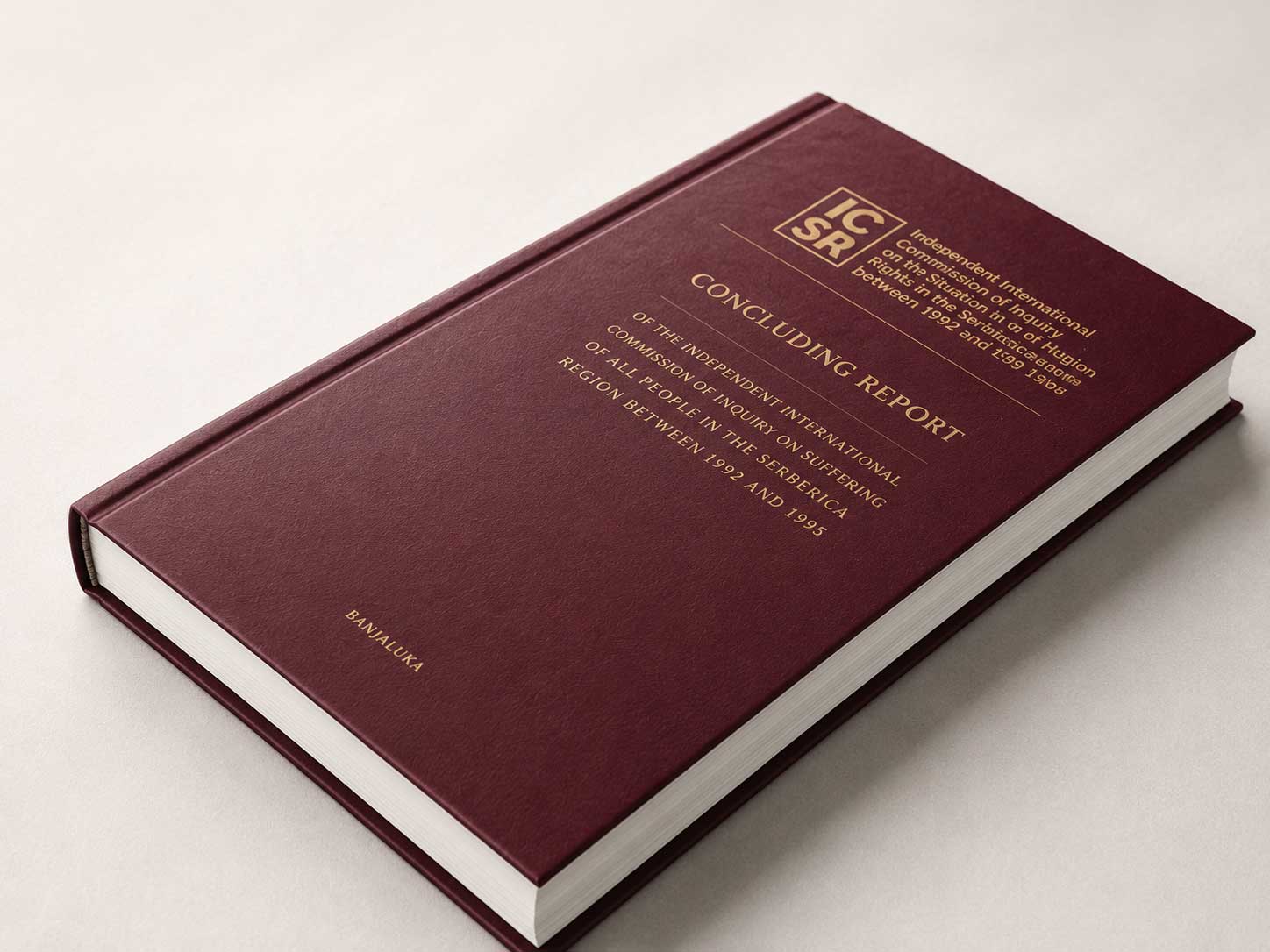
The Report was prepared by the Chairman together with other members of the Commission, after it was inspected, revised as necessary, approved, and signed by all members of the Commission.
Choose the chapter you want to read.
Explore the Report
(I) Court decision:
Quantitative analysis
(II) Legal findings
on Srebrenica
(III) Historical
context
(IV) The chronology
of events
(V) Reconstruction
of the Srebrenica case
(VI) Forensic archeology,
anthropology and
pathology
(VII) Srebrenica
and ICTY
(VIII) ICTY: Was it
an instrument of
justice?
(IX) Srebrenica:
Confronting the stigma
of genocide
(X) The role
of media
(XI) General
conclusions
(XII) Appendices
Mapping of Events
The Commission is aware that researching each individual event and victim would require many years of systematic research.
We deeply sympathise with the victims and the families of the victims who died during the terrible civil war in Bosnia and Herzegovina and as well express our great respect for them. We are aware that such a task is lasting one and we believe that all victims should be equally respected and remembered. In order to reconcile the affected parties, it is important not to diminish the suffering and pain of either party.
True Stories and Testimonials
Hear from members of the Commission, survivors, researchers and partners about the importance of our work and its impact on understanding the past and building a more just future.
01 ─
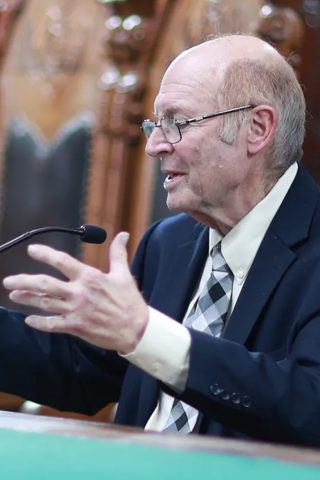
"Remembering the truth is the first step towards justice."
chairman of the commission
Gideon Greif
Israel
02 ─
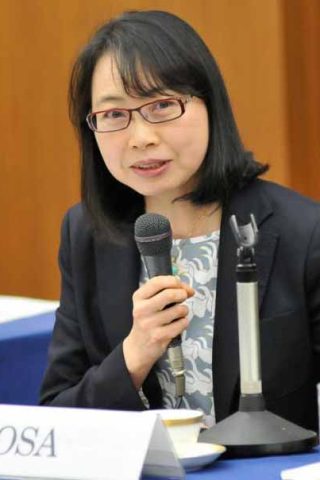
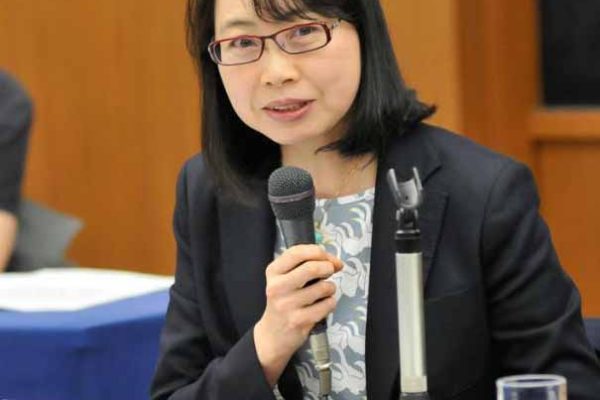
"History must be preserved so future generations can understand and learn."
Vice-Chairman of the Commission
Yukie Osa
Japan
03 ─
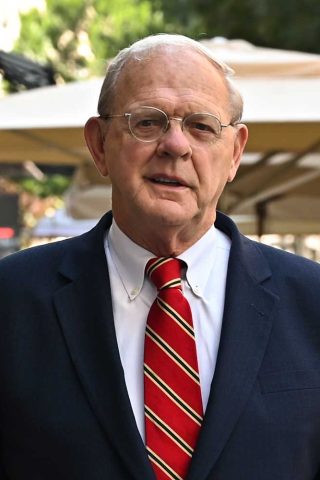
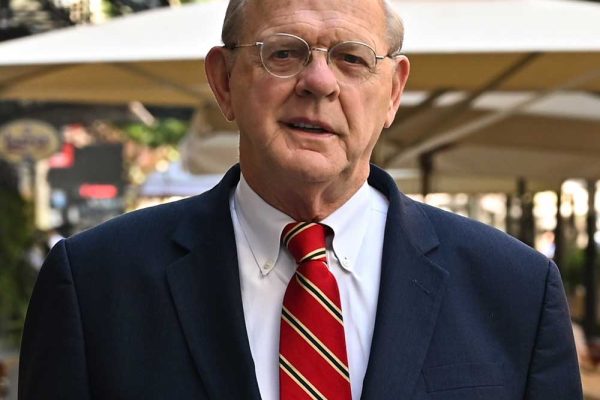
"Truth and evidence are the foundation of meaningful justice."
member of the commission
Steven Meyer
USA
04 ─
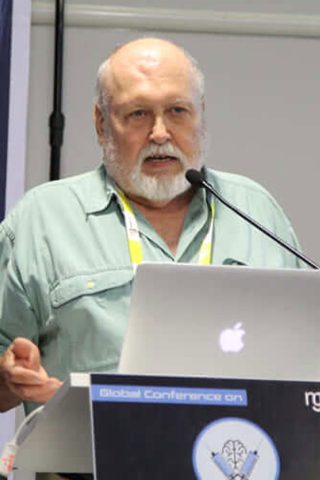
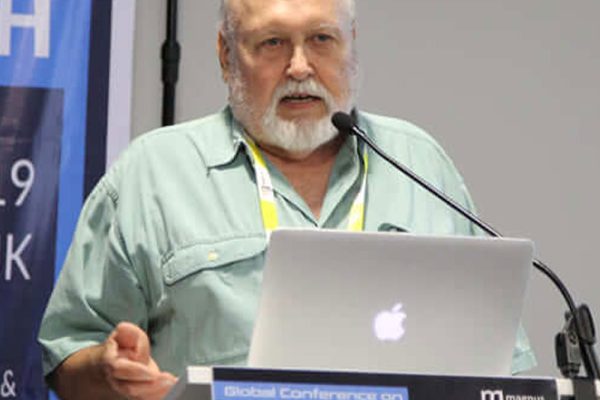
"Understanding conflict means listening to those who lived it and preserving their stories for the future."
member of the commission
Laurence French
USA
05 ─
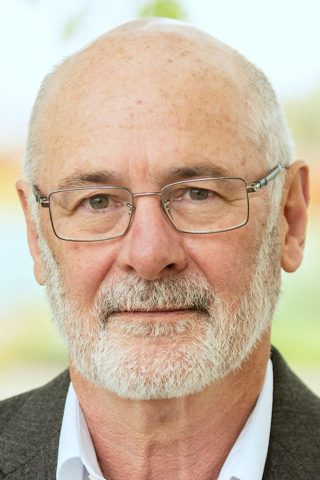
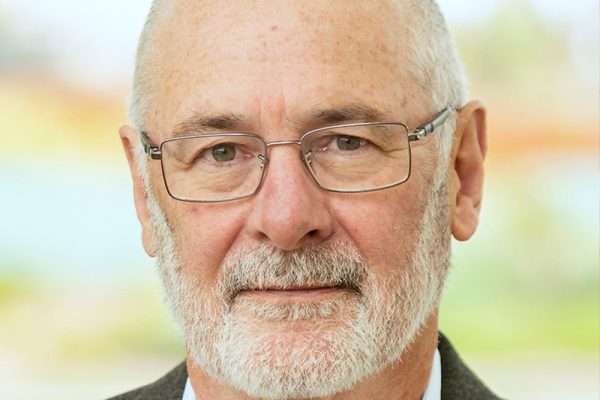
"Every life lost deserves to be remembered with dignity and respect."
member of the commission
Roger W. Byard
Australia
06 ─
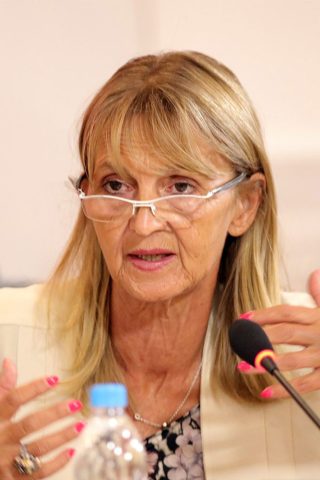
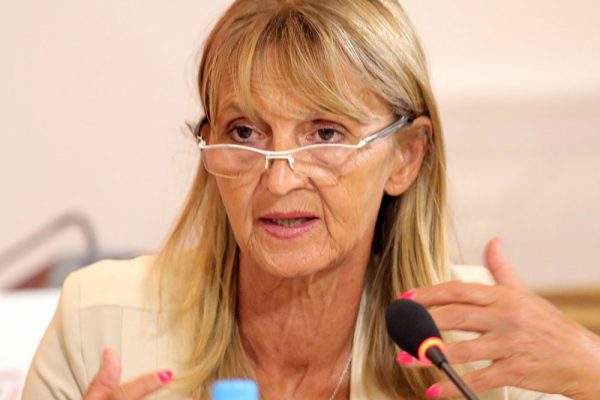
"Scientific truth helps societies heal and move forward."
member of the commission
Marija Đurić
Serbia
07 ─
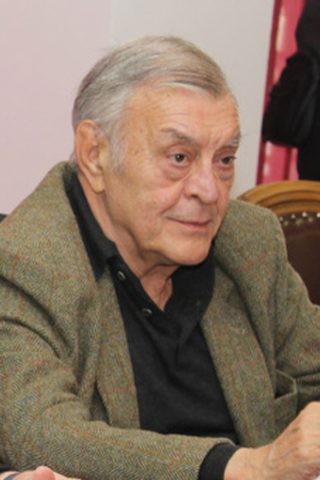
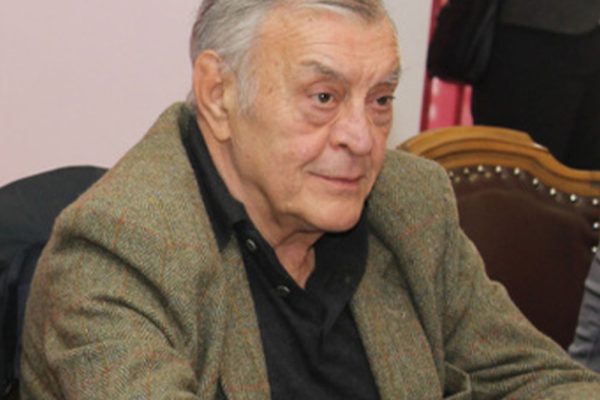
"Documenting the truth of the past helps societies confront history with honesty."
member of the commission
Giuseppe Zaccaria
Italy
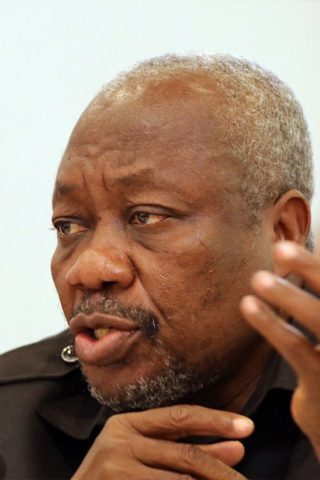
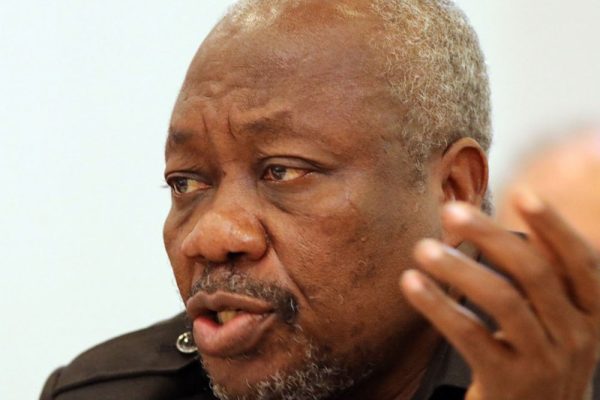
08 ─
"Justice begins with the courage to uncover the truth."
member of the commission
Adenrele Shinaba
Nigeria
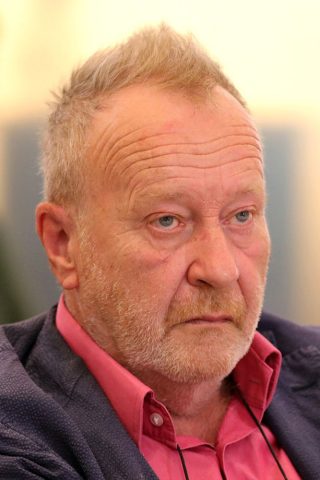
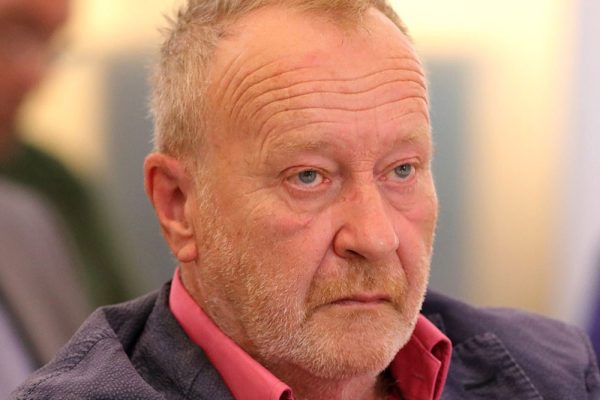
09 ─
"Facing the past honestly is the path towards a better future."
member of the commission
Walter Manoschek
Austria
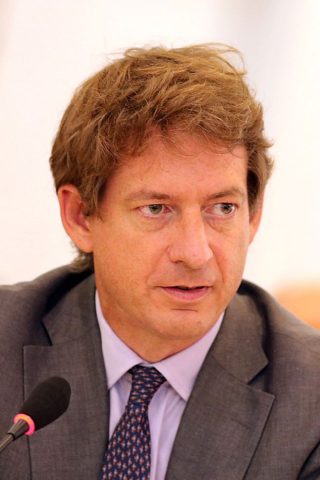
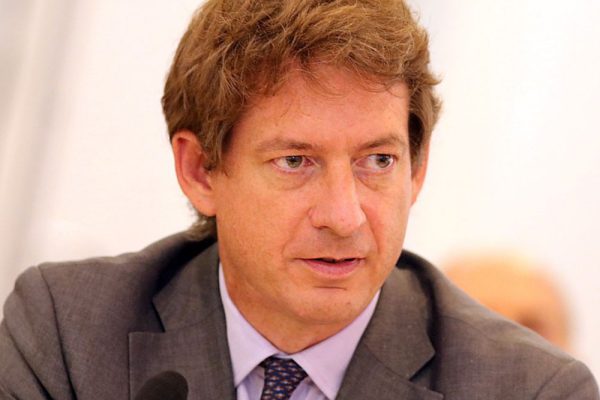
10 ─
"Facts preserve memory and protect the lessons of history."
member of the commission
Markus Goldbach
Germany
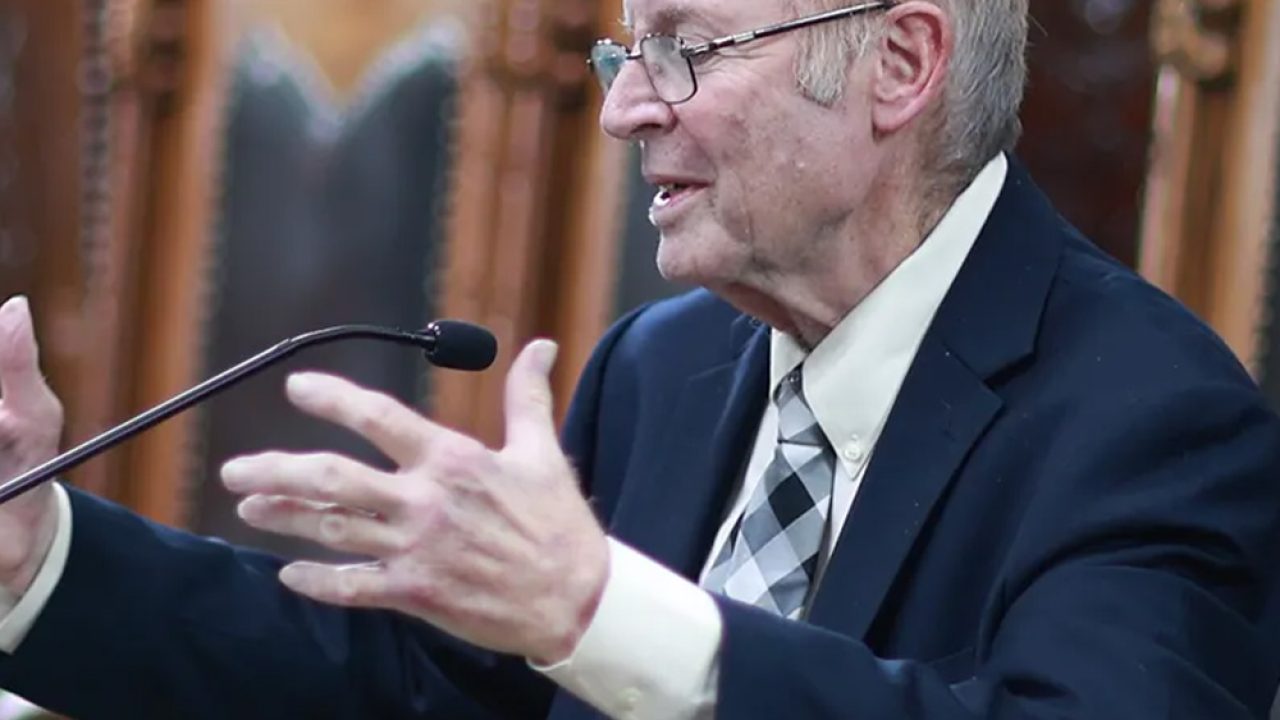
chairman of the commission
Gideon Greif
Israel
He specializes in the history of the Holocaust period and World War II, Modern Jewish history, history of the Concentration and Extermination Camps, particularly Auschwitz, Majdanek and Jasenovac. Greif received his BA and MA in Jewish history, The History of Eretz Israel, and his Ph.D. in Jewish modern history. His mentor and professor was the coryphaeus of the history of the Holocaust on the territory of Yugoslavia, a professor from Israel, Menachem Shelah. During the course of his studies, as well as upon finishing them, he authored a number of radio documentaries and documentary films on the subject of World War II, the Holocaust, and related topics. Professor Greif worked as a professor, lecturer, and researcher at universities in Tel Aviv, Vienna, Austin, Miami, and other places. For many years he was the Director of the Germany and Poland Desk within the European Department of Yad Vashem in Israel, and worked as historian, pedagogue, lecturer, editor and senior researcher at this world-renowned institution. Throughout his career, he authored and edited numerous texts, papers and books, including We Wept Without Tears, a book that inspired the award-winning film Son of Saul. His works have been published in many languages. He participated in the preparation of several Holocaust encyclopedias published internationally. Currently, he is Chief Historian and Researcher at the Shem Olam Holocaust Institute for Education, Documentation and Research in Israel, Senior Historian and Researcher at the Foundation for Holocaust Education Projects in Miami, Florida, lecturer at Tel Aviv University and other academic centers in Israel, advisor, translator and interpreter at the Auschwitz-Birkenau State Museum in Poland, and member of the American International Advisory Council of Interviewers at the Auschwitz Jewish Center Foundation of New York.
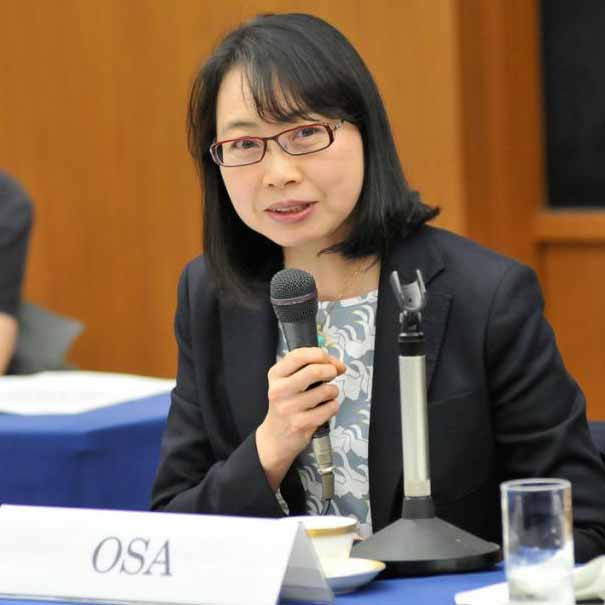
vice-chairman of the commission
Yukie Osa
Japan
Yukie Osa is a Professor of Political Science at the Graduate School of Social Design Studies at Rikkyo University, Tokyo. From 2008 to June 2021, she was President of the Japanese humanitarian NGO, Association for Aid and Relief, Japan (AAR), which was established in 1979. She became Chairperson of the organization in June 2021. As head of emergency assistance operations, she was involved in AAR programs in Cambodia, former Yugoslavia, Mozambique, Kosovo and Metohija, Chechnya, Afghanistan, and other regions. She was the AAR field representative in the former Yugoslavia region between 1994 and 1995. As a member of the International Campaign to Ban Landmines, she led the Japanese Mine Ban Campaign during and after the Ottawa Process. She was a researcher for the Landmine Monitor Report for China from 1998 to 2008. She served as a member of the Advisory Group for the United Nations Central Emergency Response Fund from 2012 to 2015 and the Japanese National Commission for UNESCO from 2013 to 2017. Since 2016, she has been a member of the Board of Trustees for the United Nations Institute for Training and Research. She is the author of books and articles on Srebrenica, human security, landmines and mine action, humanitarian assistance and disaster relief, civil-military relations, and related topics. She received her Ph.D. in Human Security Studies from the Graduate School of the University of Tokyo, and her BA and MA in Political Science from Waseda University.
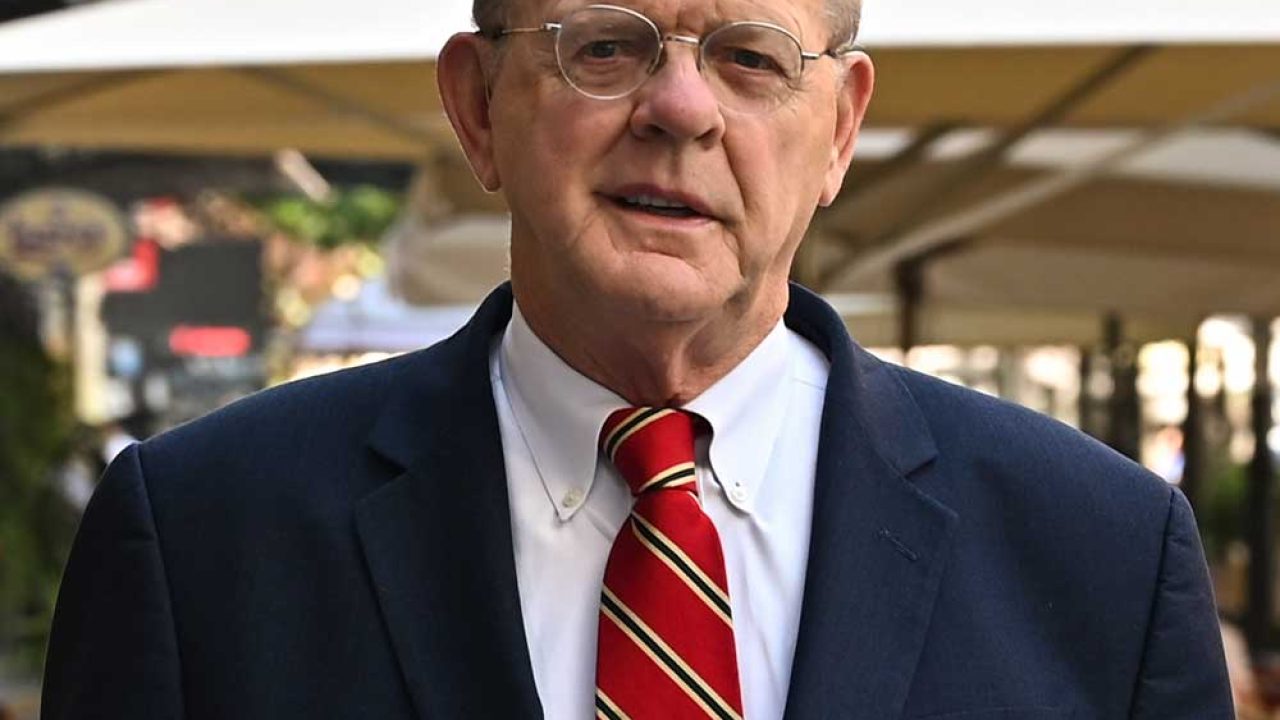
member of the commission
Steven Meyer
USA
Until recently, Steven Meyer was the National Security Program Chair and Professor of National Security Studies at the Daniel Morgan Graduate School. He received a Ph.D. in Political Science from Georgetown University in Washington, D.C., where he focused on comparative political systems. Much of his doctoral work focused on Central and Eastern Europe and Russia. He received a Master’s degree from Fordham University in New York City, also in Political Science, and Bachelor’s degrees in Political Science and Mathematics from the University of Wisconsin in Madison. He completed specialized studies at Vrije University in Amsterdam and the University of Glasgow, specializing in European politics. He also received specialized training in nuclear weapons, ballistic missile systems and arms control at Vandenberg Air Force Base in California. He worked for many years for the Central Intelligence Agency in various capacities, primarily dealing with Europe and Russia. During the Wars of Yugoslav succession in the 1990s, he served as Deputy Chief of the Interagency Balkan Task Forces (BTF), located at CIA headquarters and composed of representatives from several U.S. government agencies. The work of the BTF involved both Washington-based duties and field assignments throughout the Balkan region from 1992 through 1995. After leaving the CIA, he taught at the National Defense University, a U.S. Department of Defense graduate school, where he taught national security, American foreign policy, Russian and Central European politics, and environmental security. He has published numerous articles and contributed to several books. He is currently working on a book about the failure of U.S. foreign policy after the collapse of the Soviet Union and the emergence of a multipolar political, economic and security world.
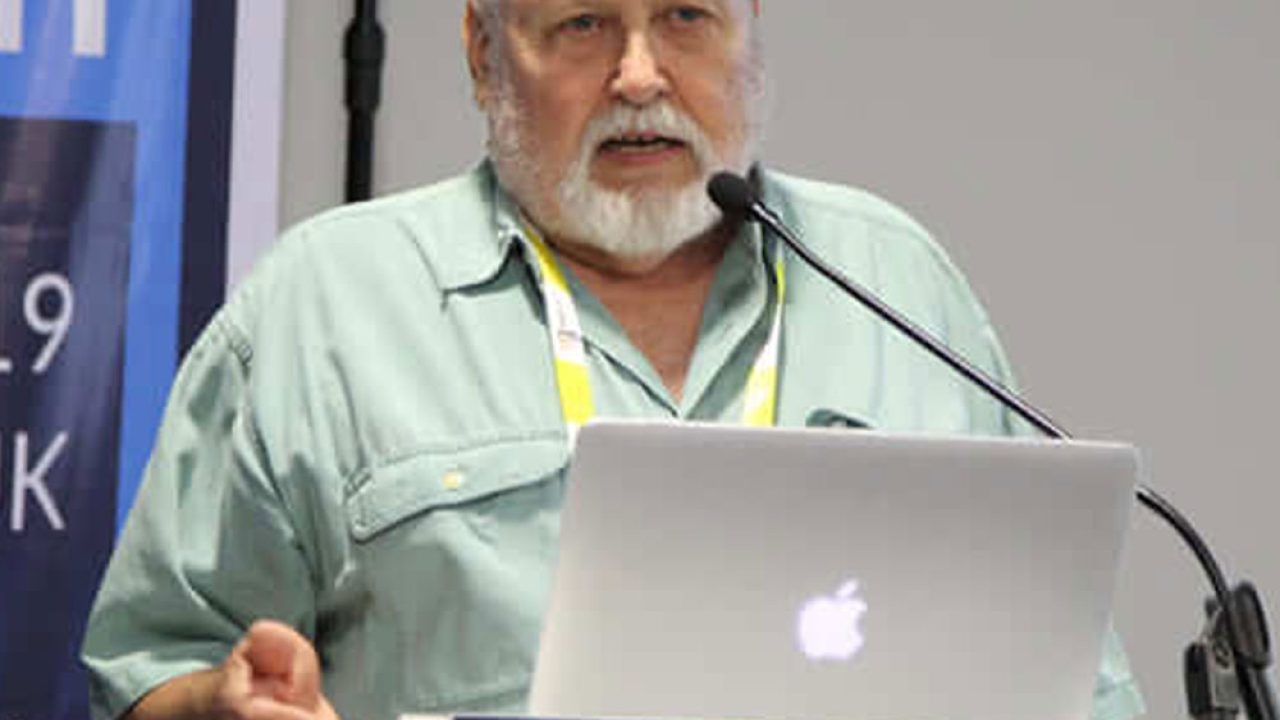
member of the commission
Laurence French
USA
Laurence French holds a B.A., M.A., and Ph.D. in Sociology (Social Disorganization/Social Psychology) from the University of New Hampshire, a Ph.D. in Cultural Psychology (Educational Psychology and Measurement) from the University of Nebraska-Lincoln, and an M.A. in School Psychology from Western New Mexico University. He completed postdoctoral studies in “Minorities and Criminal Justice Education” at the State University of New York-Albany and completed a post-doctoral prescribing psychology program, including the national exam. He is Professor Emeritus of Psychology from Western New Mexico University, a life member and Fellow of the American Psychological Association, Fellow of the Society for the Psychological Study of Social Issues, and a Fellow of the College of Prescribing Psychologists. He served in the U.S. Marine Corps and is a life member of the Veterans of Foreign Wars, the Third Marine Division Association, and Disabled American Veterans. He is a licensed clinical psychologist in Arizona, a Fulbright Scholar at the University of Sarajevo (Bosnia and Herzegovina, 2009–2010), and was Visiting Endowed Chair of Criminology and Criminal Justice at St. Thomas University in Canada. In 2016, he completed a Fulbright Specialist project on “war crimes and missing persons” for the Ministry of Interior of Republika Srpska at the Police College, University of Banja Luka. He has received several awards, including the 2014 McGraw Hill Distinguished Scholar Award, the 2014 Distinguished Career Contribution to Research Award from the American Psychological Association, and the 2018 Marquis Who’s Who Lifetime Achievement Award. He has over 300 publications, including 20 books. His research focuses on international and comparative social, human and criminal justice, Native American and minority issues, police and criminal psychology, and forensic psychology.
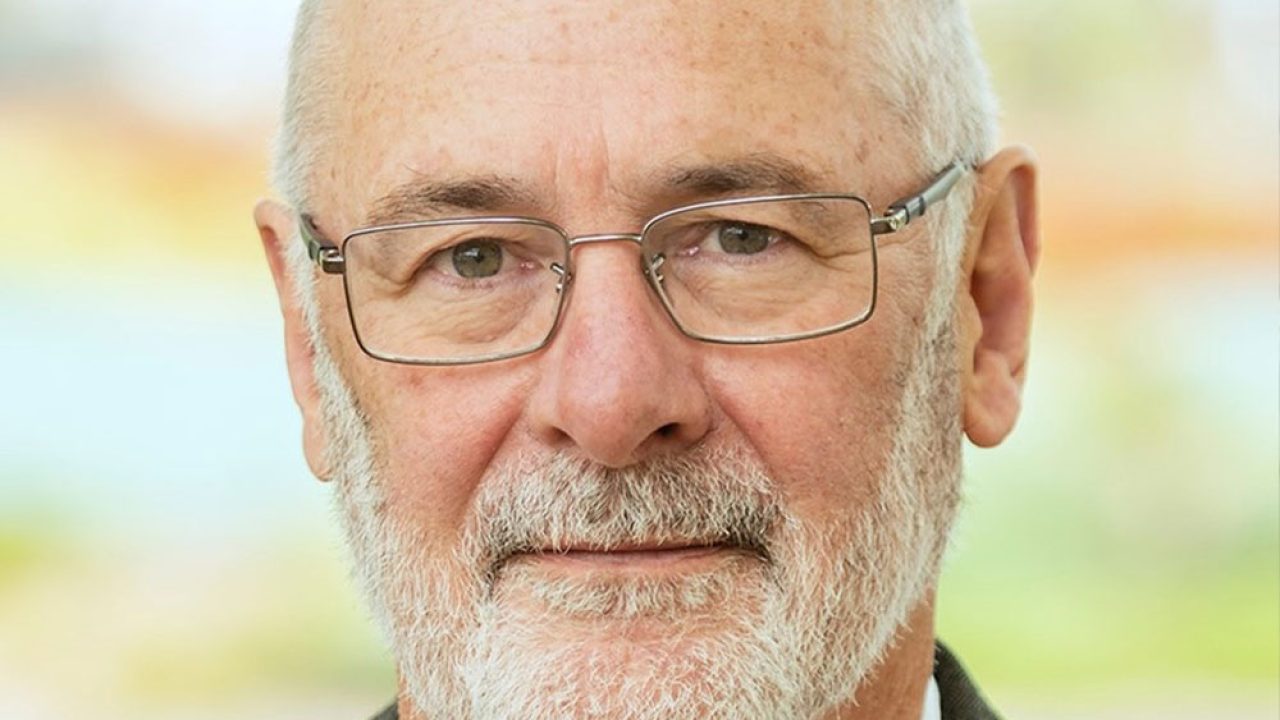
member of the commission
Roger W. Byard
Australia
Professor Roger W. Byard AO PSM DSc holds the Chair of Pathology at The University of Adelaide and is a Senior Specialist Forensic Pathologist at Forensic Science SA in Adelaide, Australia. He qualified in medicine in Australia in 1978 at the University of Tasmania and then completed five years of clinical practice before specializing in pathology. He was awarded the Australian Public Service Medal (PSM) in 2004 for outstanding service to pediatric pathology and became an Officer of the Order of Australia (AO) in 2013 for distinguished service to medicine in the field of forensic pathology. He has a specific interest in forensic pathology research and has published more than 1,000 chapters, papers, short communications and letters in peer-reviewed journals, in addition to ten texts. He was awarded the Humanitarian Overseas Service Medal for disaster victim identification work in Bali after the 2002 bombings and in Thailand after the 2004 tsunami. Professor Byard holds multiple medical and postgraduate qualifications, including a Ph.D., Doctor of Medicine (MD), and Doctor of Science (DSc).
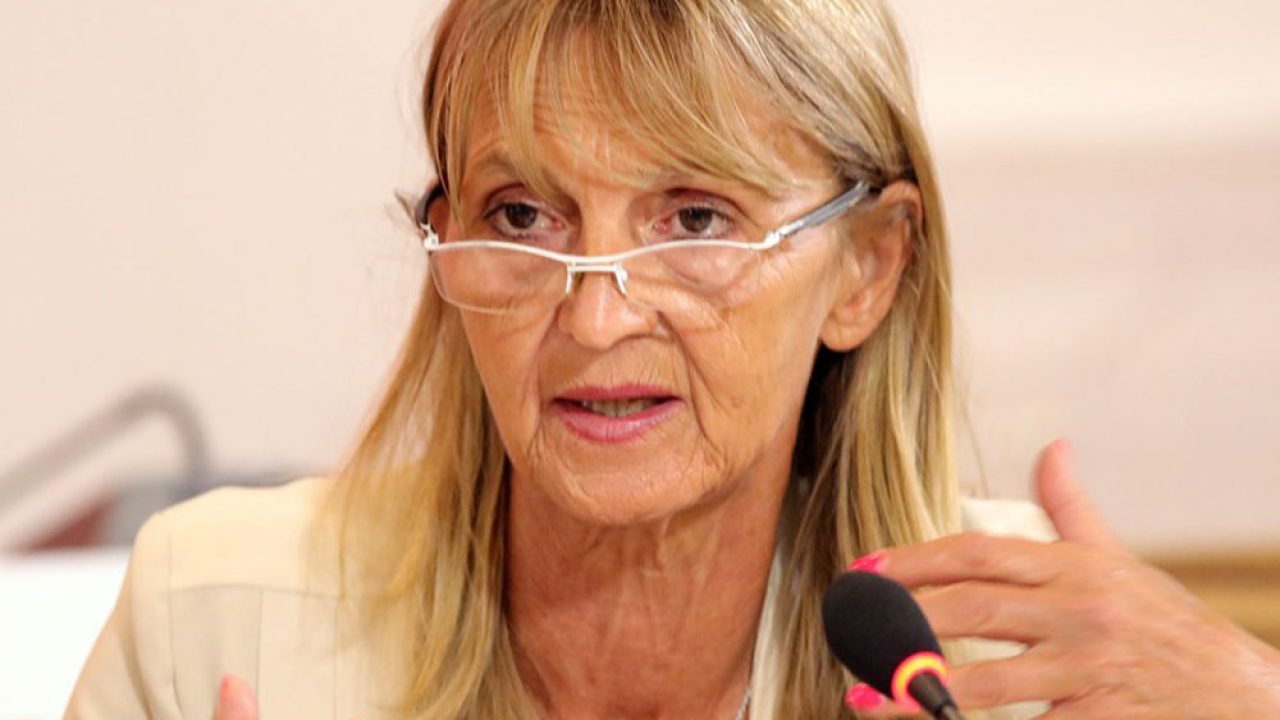
member of the commission
Marija Đurić
Serbia
Marija Đurić is a forensic anthropologist and professor at the Faculty of Medicine, University of Belgrade. She graduated from the Faculty of Medicine in Belgrade, where she later completed her postgraduate studies and received her Ph.D. in forensic anthropology. She is one of the leading experts in the field of forensic anthropology in Serbia, with extensive experience in the identification of human remains and the investigation of mass graves. Her professional work includes anthropological analysis of skeletal remains, identification of victims of armed conflicts, and cooperation with international organizations and institutions dealing with missing persons. She participated in numerous forensic investigations related to conflicts in the former Yugoslavia, including the examination and identification of victims from mass graves. She has published numerous scientific papers and contributed to the development of forensic anthropology as a scientific discipline in the region. Her research focuses on human identification, population variation, skeletal biology, and the application of forensic methods in investigations of war crimes and missing persons.
member of the commission
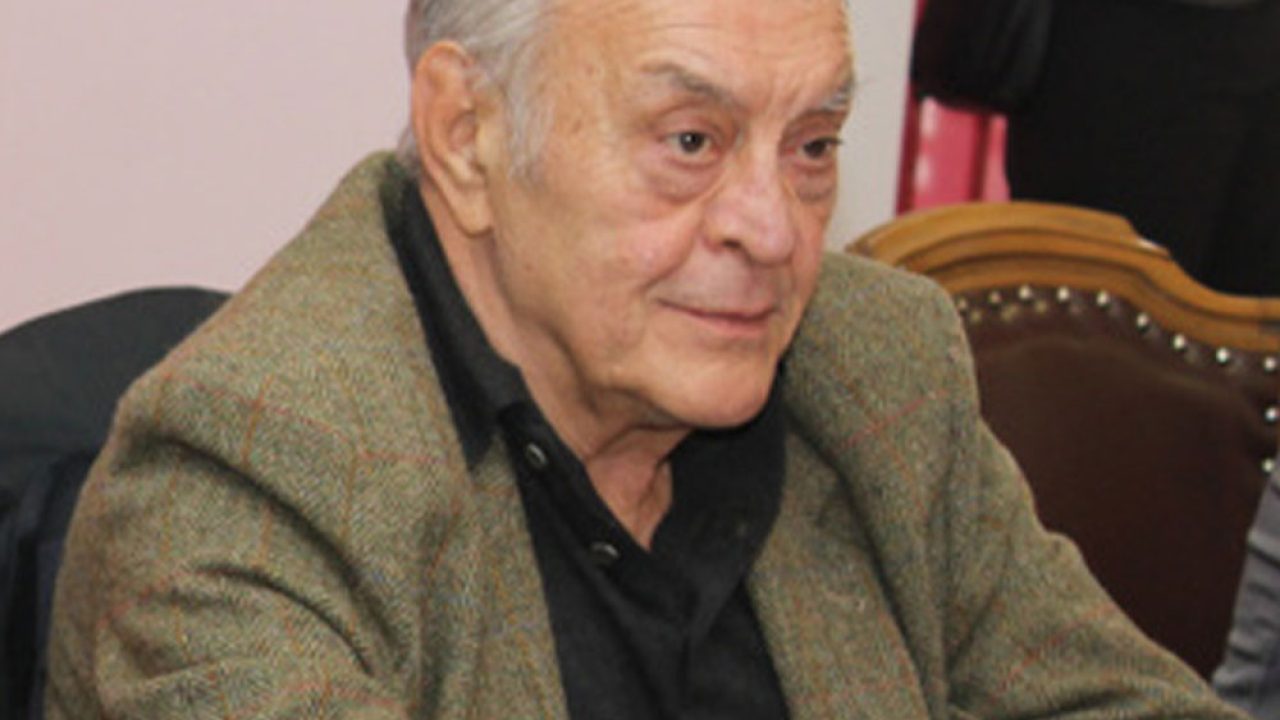
Giuseppe Zaccaria
Italy
Giuseppe Zaccaria was a professional journalist from 1975. He worked for Il Giornale (1976–1978), Il Messaggero (1979–1980), and La Stampa (1981–2009). From 2012 to 2017, he was publisher and editor of the Ital Inter Media news agency in Belgrade. As a foreign correspondent for La Stampa, he covered major events in Europe and the Middle East for more than twenty years. As a war correspondent, he covered the First and Second Gulf Wars, the Afghanistan crisis, the 2006 Israel–Lebanon war, and conflicts throughout the Balkans and former Yugoslavia. He interviewed numerous presidents and world leaders, including Muammar Gaddafi and Nelson Mandela, as well as leading political figures in the Balkans, including Slobodan Milošević. He covered the Yugoslav crisis in Croatia, Serbia, Bosnia and Herzegovina, Kosovo and Metohija, as well as the NATO campaign in 1999. He authored several books, including Noi, Criminali di guerra (We, the War Criminals), a book about war crimes in Bosnia and Herzegovina, for which he received the Hemingway Prize. He died in April 2020 at the age of 69.
member of the commission
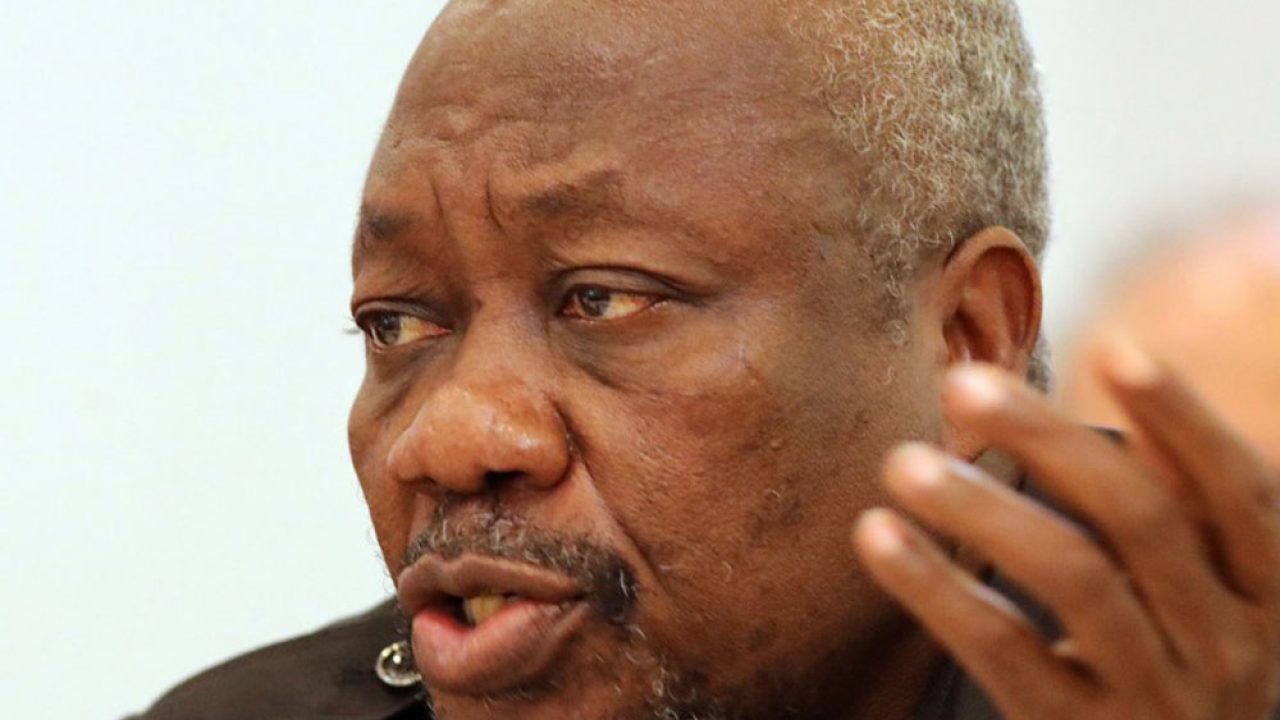
Adenrele Shinaba
Nigeria
Adenrele Shinaba is a forensic expert with extensive experience in criminal investigations, forensic science and security affairs. He served in senior positions within law enforcement institutions and gained significant experience in criminal investigation, intelligence analysis and international cooperation. Throughout his career, he worked on complex investigations involving organized crime, violence, terrorism and human rights-related issues. He has participated in professional training programs and international cooperation initiatives focused on strengthening forensic capacities and investigative practices. His expertise includes forensic investigations, crime scene management, evidence analysis and institutional development within security and justice systems. He has contributed to improving cooperation between forensic institutions and international partners in addressing complex investigative challenges.
member of the commission
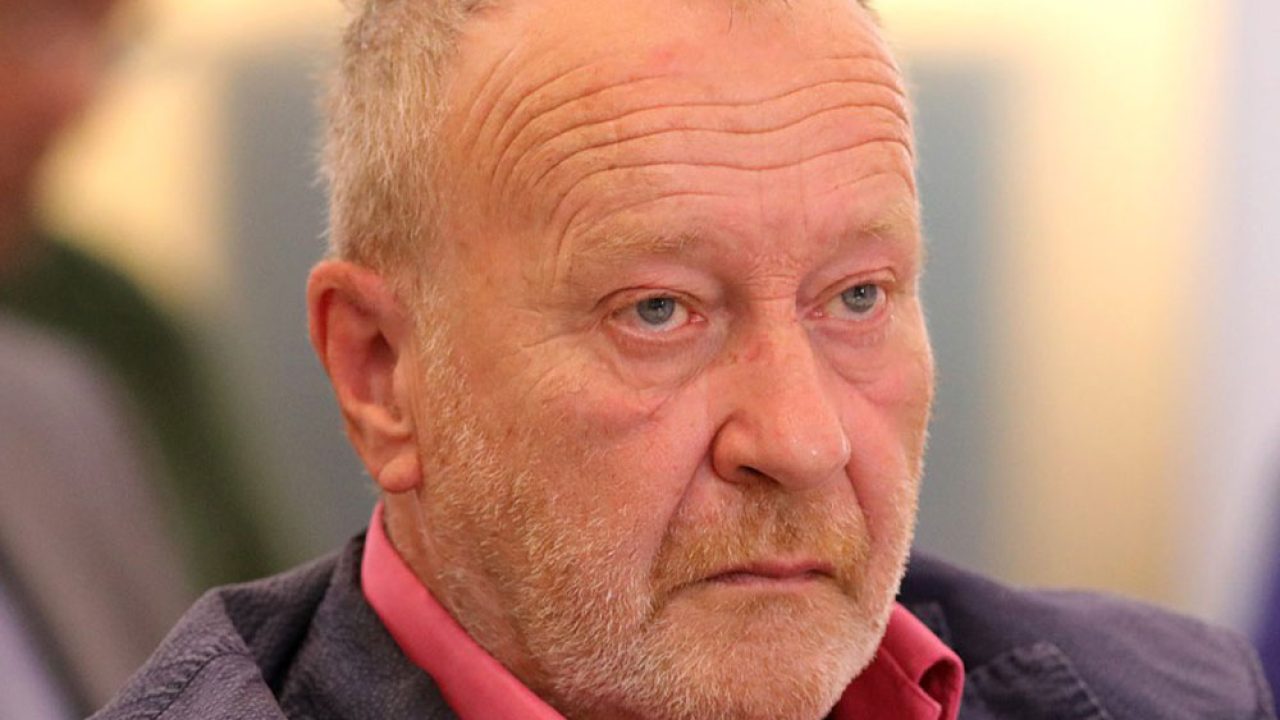
Walter Manoschek
Austria
Walter Manoschek is an Austrian political scientist, historian and professor at the Department of Political Science at the University of Vienna. He studied political science and history at the University of Vienna, where he later completed his academic career as a researcher and professor. His main fields of research include political violence, authoritarian regimes, National Socialism, war crimes, collective memory and the politics of remembrance. He has conducted extensive research on the history of the Second World War, the Wehrmacht, crimes committed during wartime and the social mechanisms behind political violence. Professor Manoschek has authored and edited numerous books and academic publications dealing with historical responsibility, memory culture and the investigation of crimes committed during conflicts. He has participated in many international research projects and academic discussions focused on confronting difficult historical questions through scientific research.
member of the commission
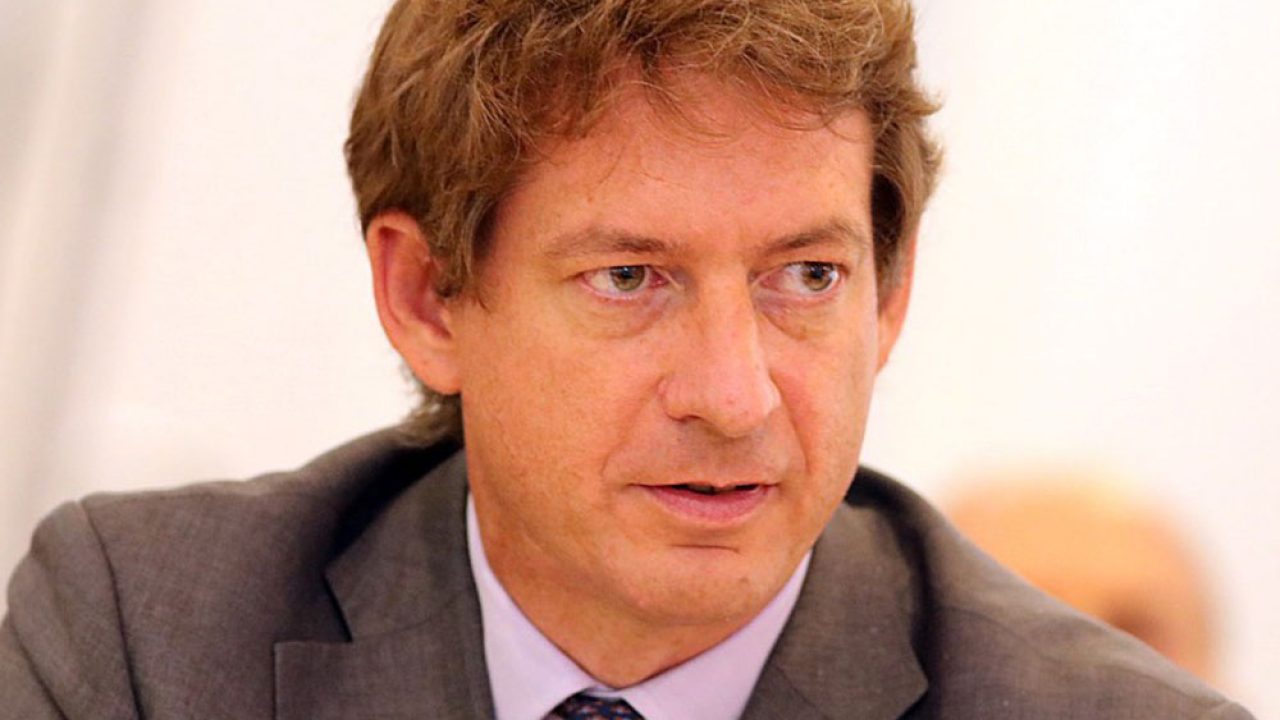
Markus Goldbach
Germany
Markus Goldbach is a German legal expert specializing in international law, human rights and transitional justice. His professional work focuses on legal mechanisms for documenting human rights violations, accountability processes and the role of evidence in international investigations. He has experience in examining complex legal and historical issues connected with armed conflicts and violations of international humanitarian law. His work includes research and analysis related to international criminal justice, legal responsibility and the preservation of documented facts. He has contributed to discussions on the importance of evidence-based approaches in addressing the consequences of conflicts and ensuring historical accountability.