Academic Report On
The Sufferings of Serbs in Sarajevo
Between 1991 to 1995
A comprehensive academic account of the war crimes, human suffering,
and destruction that shaped the fate of the Serbian community in Sarajevo.
Expertise
The research and collection of the materials needed for the writing of this Report, as well as the process of formulating the various versions and drafts, were all carried out in close consultation among all members of the Commission.
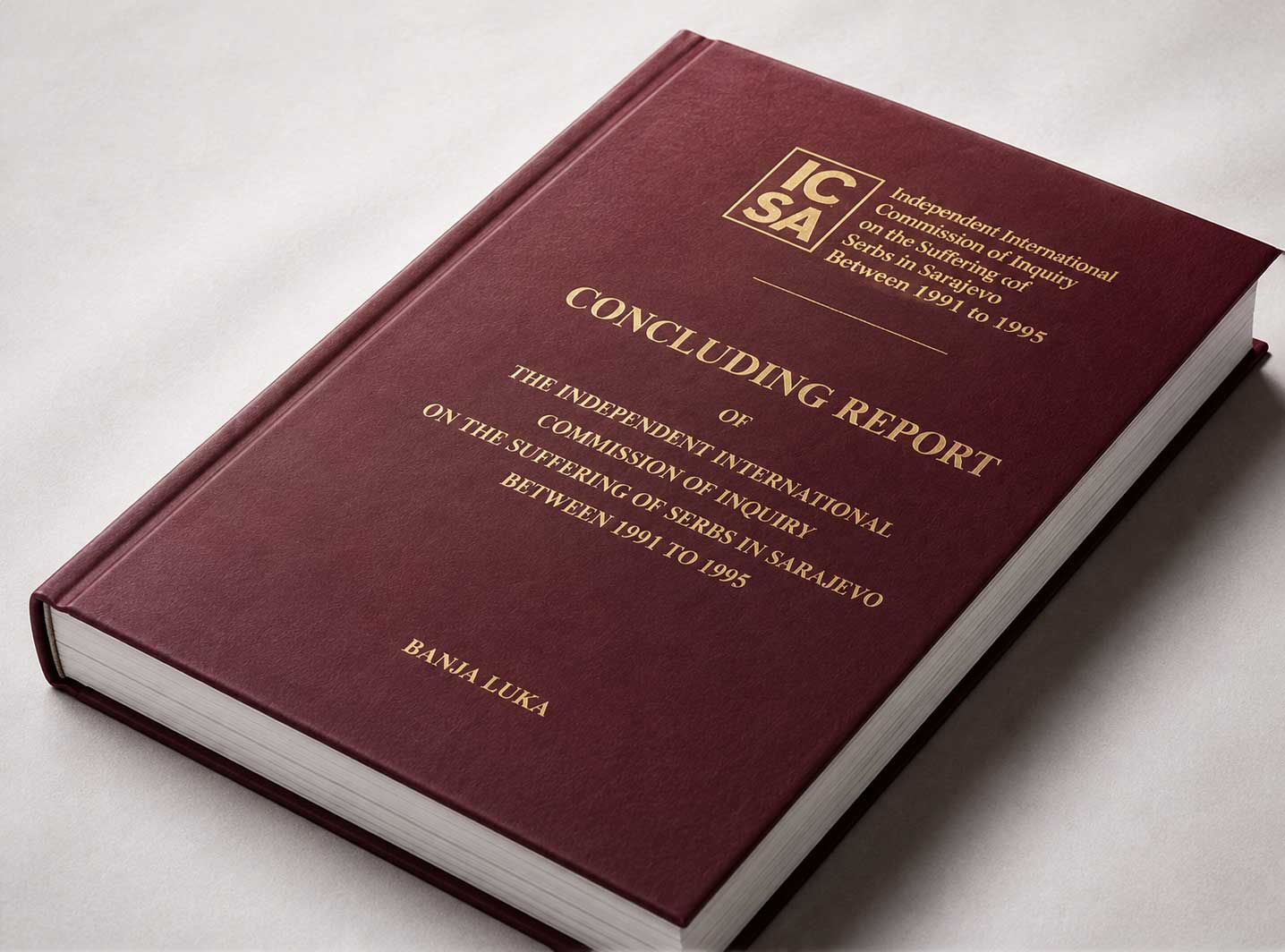
Choose the chapter you want to read.
Explore the Report
(I) Historical context of
Bosnia and Herzegovina
(II) Restorative
social justice
(III) Role of
radical Islam
(IV) The role
of media
(V) The suffering of the
Serbs in Sarajevo
(VI) Physical and
psychological aspects
of suffering
(VII) General
conclusions
(VIII) Bibliography
Map of Suffering
Independent International Commission of Inquiry on the Sufferings of Serbs in Sarajevo Between 1991–1995
This map represents a preliminary set of locations of incidents documented in this report. It includes places of suffering, destruction and other war-related events that profoundly affected the Serbian community in Sarajevo.
True Stories and Testimonials
Hear from members of the Commission, survivors, researchers and partners about the importance of our work and its impact on understanding the past and building a more just future.
01 ─
"The work of the Commission is essential for establishing the facts and giving a voice to the victims."
chairman of the commission
Raphel Israeli
Israel
02 ─
"Understanding the truth is the first step towards reconciliation and a more stable future."
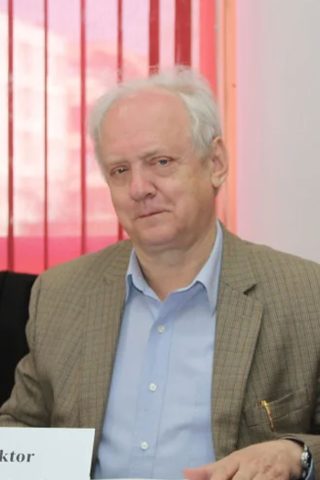
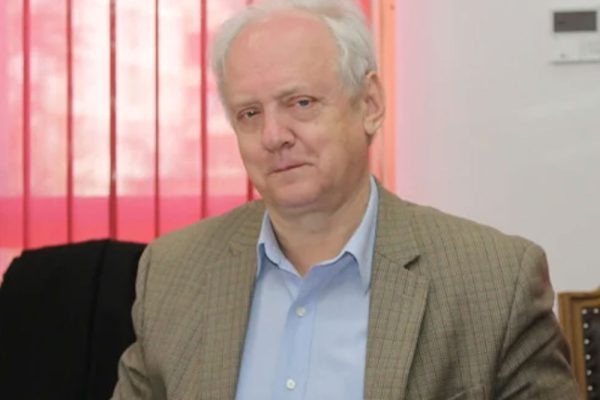
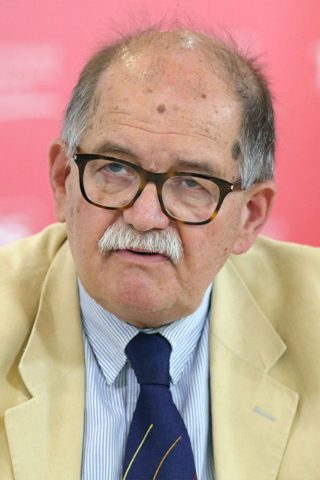
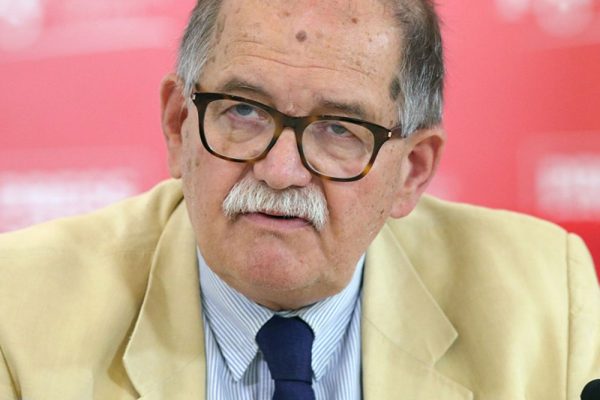
Vice-Chairman of the Commission
Victor Bezruchenko
Russia
03 ─
"It is our shared responsibility to ensure that the suffering of the past is never forgotten and never repeated."
member of the commission
Darko Tanaskovic
Serbia
04 ─
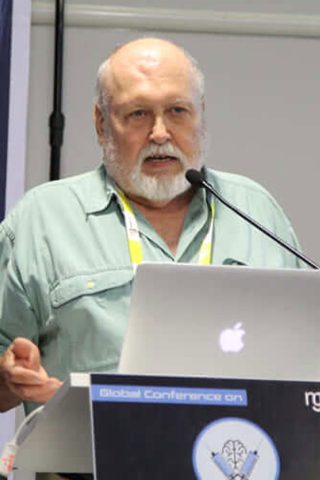
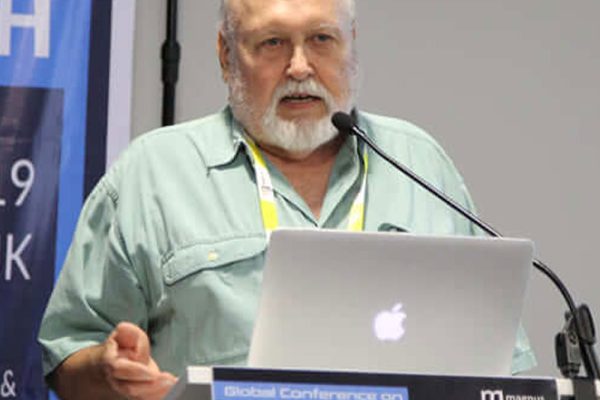
"Understanding conflict means listening to those who lived it and preserving their stories for the future."
member of the commission
Laurence French
USA
05 ─
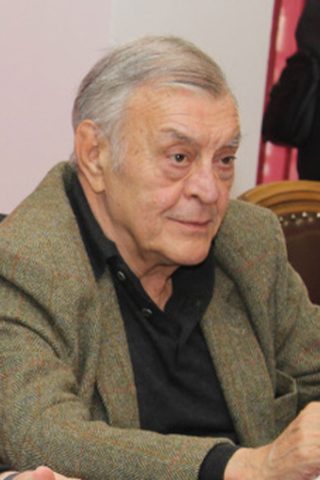
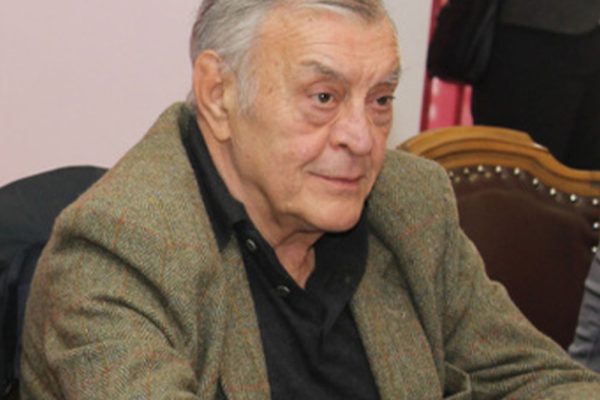
"Documenting the truth of the past is a responsibility that helps societies confront history with dignity."
member of the commission
Giuseppe Zaccaria
Italy
06 ─
"Preserving human dignity and uncovering the truth remain our greatest responsibilities."
member of the commission
Patrick Barriot
France
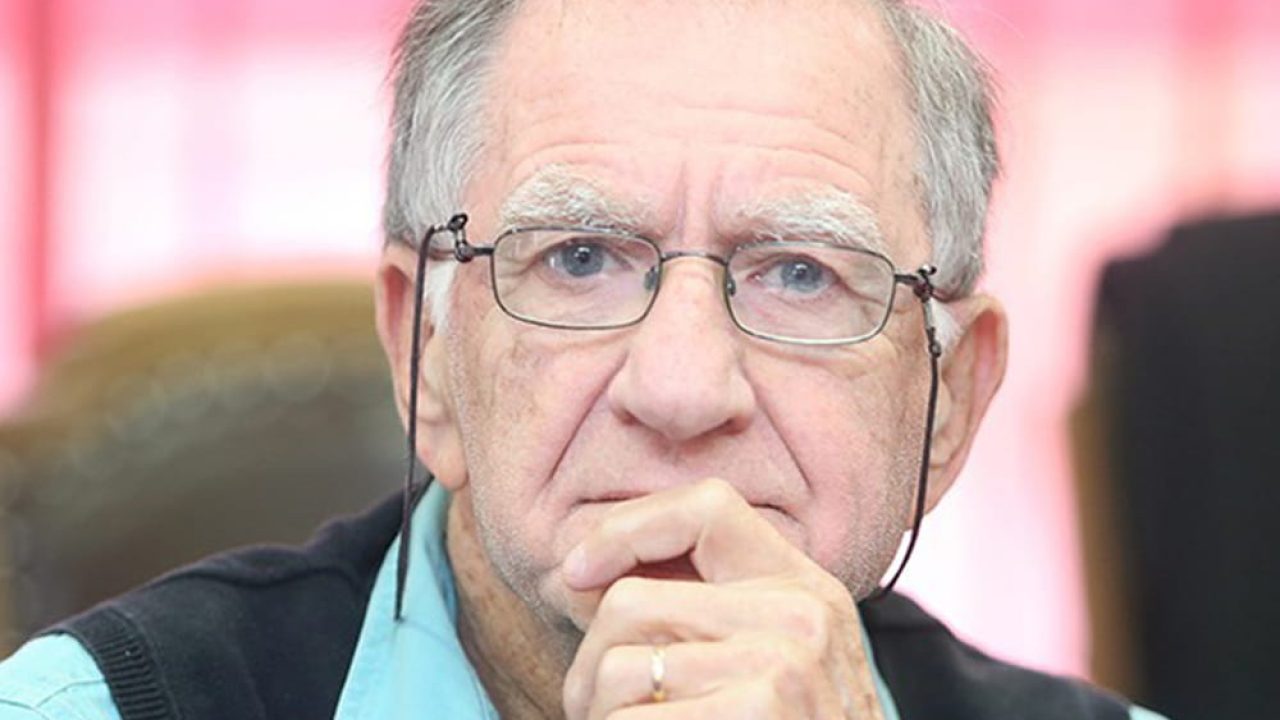
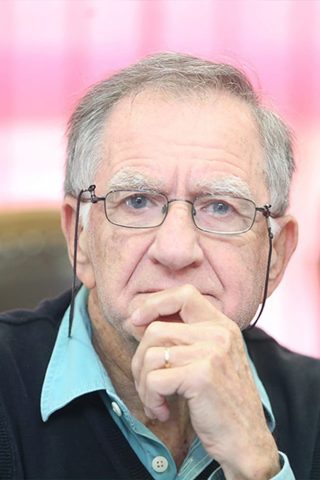
chairman of the commission
Raphel Israeli
Israel
Raphael Israeli was born in Fes, Marocco, currently teaching Islamic, Chinese, and Middle Eastern History at Hebrew University. Graduate of Hebrew University in History and Arabic Literature, Ph.D. in Chinese and Islamic History from the University of California, Berkeley in 1974. Since 1974 Lecturer and then Professor of Islamic and Chinese History at Hebrew University, with sabbatical periods spent at York University in Toronto, the University of Pittsburg’s Semester at Sea program, Harvard University, Boston University, Australian National University in Canberra, Melbourne University, and Naruto University in Japan. Fellow of the Jerusalem Center since the 1970s. Author of over 50 research books and a dozen edited books, and some 100 scholarly articles in the fields of Islamic radicalism, Islamic terrorism, the Modern Middle East, Islam in China and Asia and Europe.
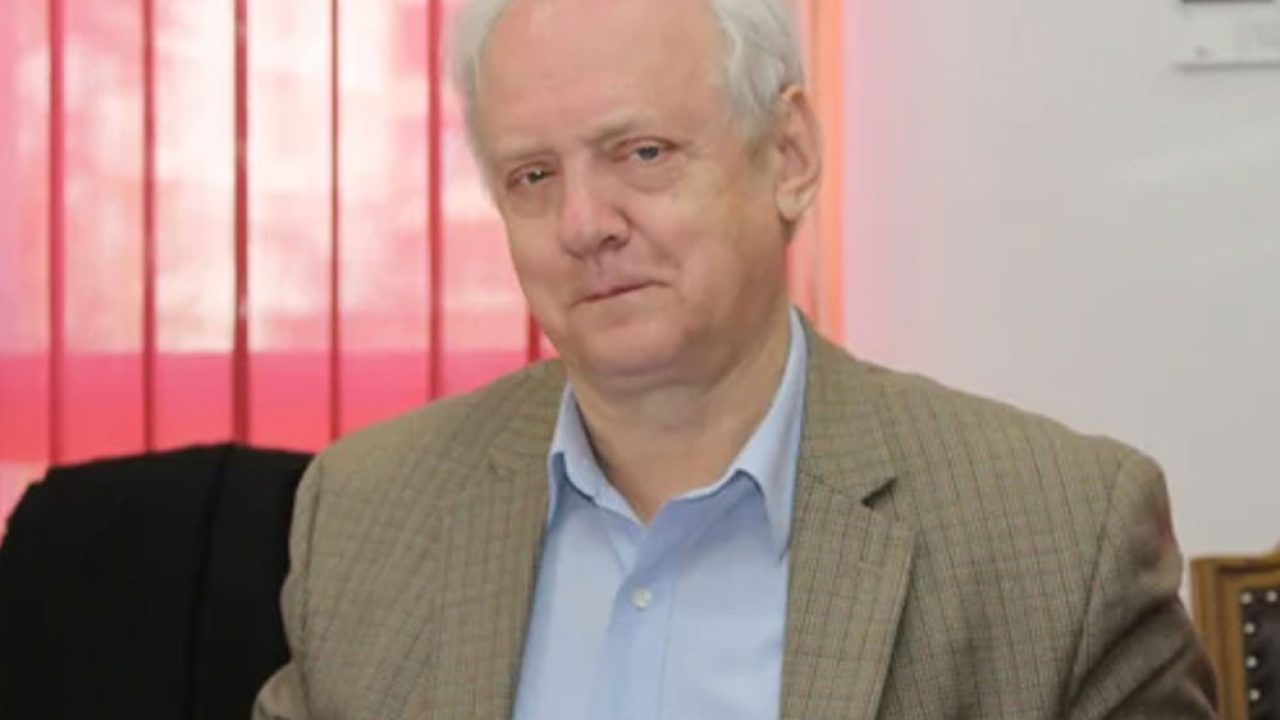
vice-chairman of the commission
Victor Bezruchenko
Russia
Viktor Bezruchenko was born on 10 October 1953 in Moscow, Russia. He obtained his Bachelor’s Degree at Military Institute in Moscow and was commissioned as Second Lieutenant in 1980. The span of his Army service is 14 years. Between 1987 and 1989 he had a tour of duty as a Military Observer with the United Nations Truce Supervision Organization in the Middle East, and between 1993 and 1994 he was Chief of Staff UNPROFOR Sector Sarajevo in Bosnia and Herzegovina. In 1994 he retired from the Army in the rank of Colonel. Between 1994 and 2002, he held a post of Civil Affairs Officer with United Nations Mission in Bosnia and Herzegovina, and worked in Gornji Vakuf, Sarajevo, and Brčko, being the longest-serving UN officer in Bosnia and Herzegovina. Between 2002 and 2019 he served as a military analyst with the United Nations International Tribunal for former Yugoslavia, and as United Nations security officer in Iraq, Sudan, New York, and Afghanistan. In 1993, he attended a course on UN peace-keeping operations at NATO School at Oberammergau. In 2007 he took a course in International Criminal Law at Leiden University, the Netherlands. Viktor Bezruchenko also holds a Master’s Degree in Political Science from Sarajevo University, BiH, and a Ph.D. in Political Science from the University of Kyiv, Ukraine. He is the author of about 20 publications on international law and military history. He speaks Russian, English, French, Serbian, Croatian, Polish, and Ukrainian.
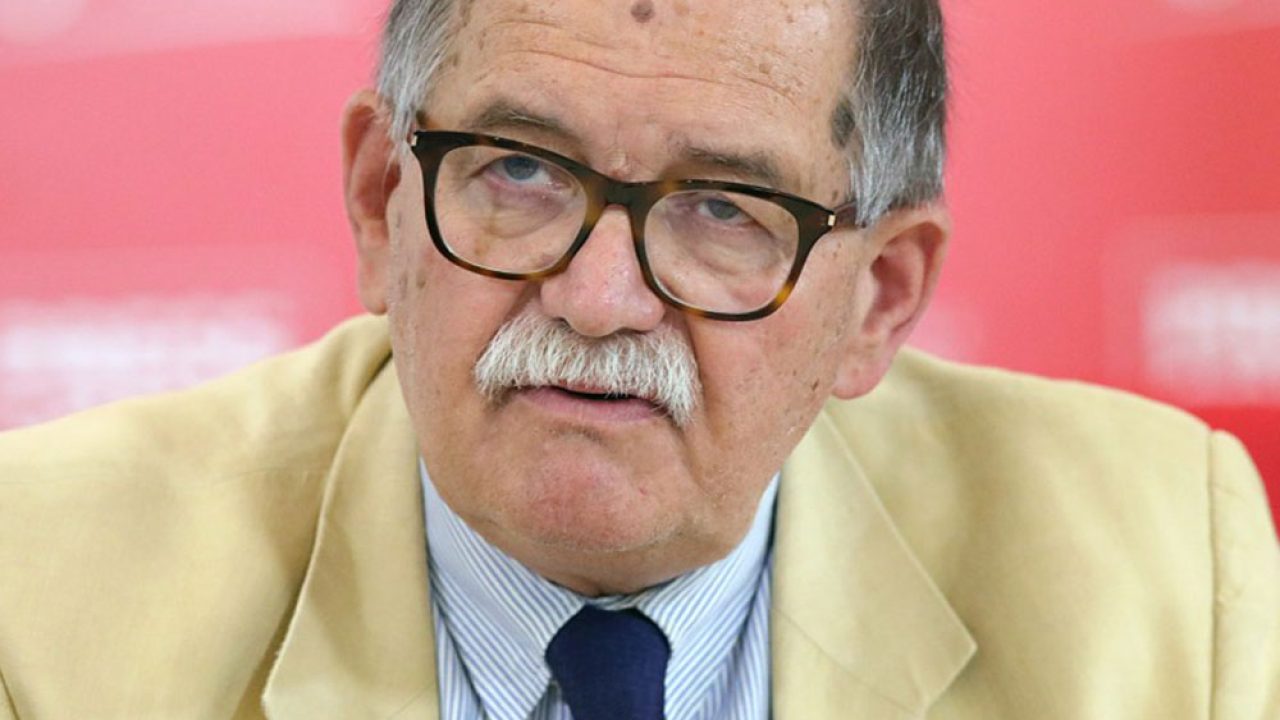
member of the commission
Darko Tanaskovic
Serbia
Born on January 4, 1948, in Zagreb (Croatia). He graduated from the Faculty of Philology, Department of Oriental Studies, in 1970. In 1972, he obtained his Master’s Degree at the same Department, with a Master’s Dissertation The Autobiography of “Usama ibn Munqidh” (Linguistic Features), and a Ph.D. (1979), with a thesis Arabic Language in Contemporary Tunisia (Diglossia and Bilingualism). Darko Tanasković was teaching at the Faculty of Philology from 1971 to 2018 when he retired as Full Professor at the Department of Oriental Studies. Prof. Tanasković published over 800 papers and research work reports including the following books: Arabic Poetry (1977), The Sufism (with Ivan Šop, 1981, 2011), Arabic Language in Contemporary Tunisia (1982), The Contrastive Analysis of the Serbo-Croat and Arabic Languages (1982), In dialogue with Islam (1992), At the East of the West (together with M. Jevtić, 2000), The Islam and Us (2000), The South-East of Serbia – the Continuation of the Crisis and the Probable Outcome (together with a group of authors, 2001), Arabic Grammar (with A.Mitrović, 2005), Islam: Dogma and Life (2008), The Autonomy of Reason (with M. Jevtić, 2009), Neo-Ottomanism (2010), The Pigeon that hasn’t become the Bird (2012), The Signs of Time (2014), From One Day to Another (2015), From Neo-Ottomanism to Erdoganism (2016). Many of Tanasković’s works have been translated and published in various languages. Darko Tanasković was a visiting professor at the University of Sarajevo, Skopje, Algiers, at the École des Hautes Études en Sciences Sociales (EHESS) in Paris, at the University of Sofia, and at the University “La Sapienza” in Rome. In 1995 was nominated a member of the Academy of European Sciences and Arts (Academia Scientiarum Et Artium Europea) in Salzburg. Since 2000 he has been a corresponding member of the Society of Turkish Language (Türk Dil Kurumu) in Ankara. Darko Tanasković was teaching at the Faculty of Orthodox Theology (Belgrade), the Academy for Diplomacy and Security (Belgrade), and the Faculty of Political Sciences (Banja Luka). He was the president of the Council of the Diplomatic Academy at the Ministry of Foreign Affairs of Serbia and the member of the Foreign Policy Council of the Minister of Foreign Affairs. He is a member of the Association of Translators of Serbia, Association of Writers of Serbia, and of the Serbian PEN. From 1995 to 1999 he was accredited Ambassador of the Federal Republic of Yugoslavia to Turkey and (1998-1999) Azerbaijan. In 2001 Darko Tanasković was appointed to the Yugoslav Commission for Truth and Reconciliation. From 2002 to 2008 he was Ambassador Extraordinary and Plenipotentiary of Federal Republic of Yugoslavia/Serbia to the Holy See and the Sovereign Military Order of Malta. From 2015 to 2018 he served as Ambassador, Permanent Delegate of the Republic of Serbia to UNESCO.
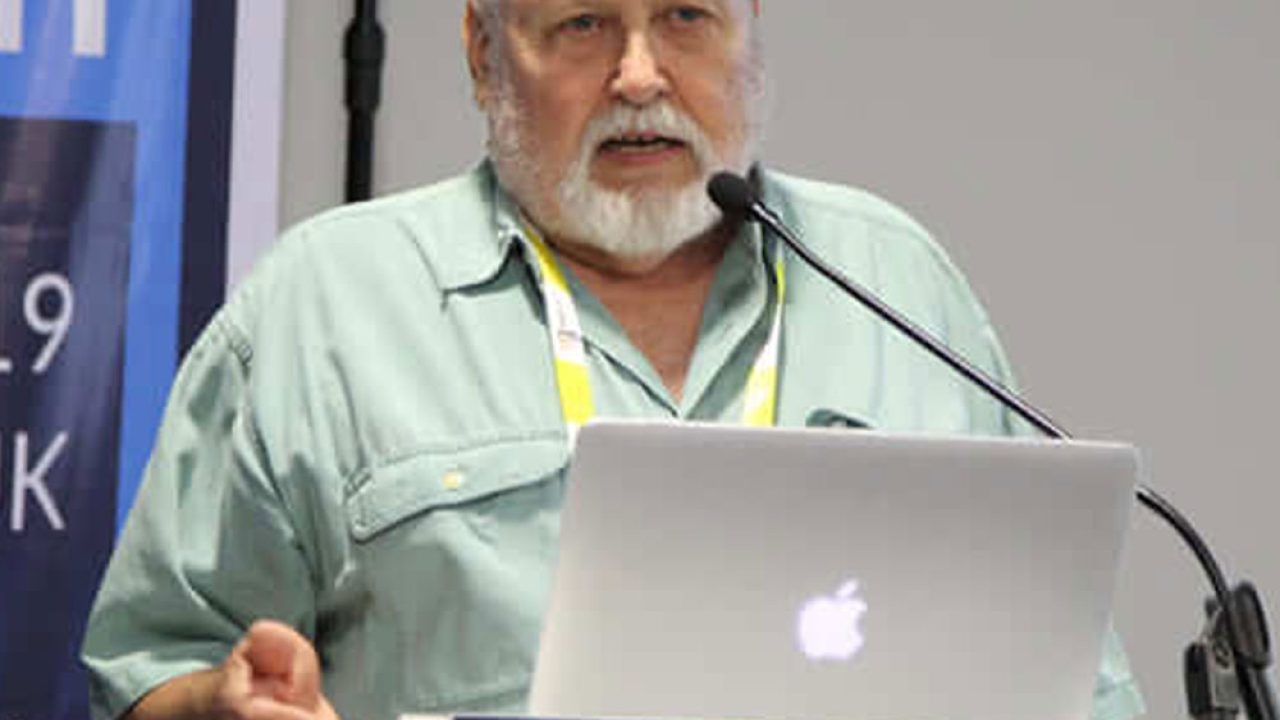
member of the commission
Laurence French
USA
Laurence French holds a B.A., M.A., and Ph.D. in Sociology (Social Disorganization/Social Psychology) from the University of New Hampshire, a Ph.D. in Cultural Psychology (Educational Psychology and Measurement) from the University of Nebraska-Lincoln, and an M.A. in School Psychology from Western New Mexico University. He completed postdoctoral studies in “Minorities and Criminal Justice Education” at the State University of New York-Albany and completed a post-doctoral prescribing psychology program, including the national exam. He is Professor Emeritus of Psychology from Western New Mexico University, a life member and Fellow of the American Psychological Association, Fellow of the Society for the Psychological Study of Social Issues, and a Fellow of the College of Prescribing Psychologists. He served in the U.S. Marine Corps and is a life member of the Veterans of Foreign Wars, the Third Marine Division Association, and Disabled American Veterans. He is a licensed clinical psychologist in Arizona, a Fulbright Scholar at the University of Sarajevo (Bosnia and Herzegovina, 2009–2010), and was Visiting Endowed Chair of Criminology and Criminal Justice at St. Thomas University in Canada. In 2016, he completed a Fulbright Specialist project on “war crimes and missing persons” for the Ministry of Interior of Republika Srpska at the Police College, University of Banja Luka. He has received several awards, including the 2014 McGraw Hill Distinguished Scholar Award, the 2014 Distinguished Career Contribution to Research Award from the American Psychological Association, and the 2018 Marquis Who’s Who Lifetime Achievement Award. He has over 300 publications, including 20 books. His research focuses on international and comparative social, human and criminal justice, Native American and minority issues, police and criminal psychology, and forensic psychology.
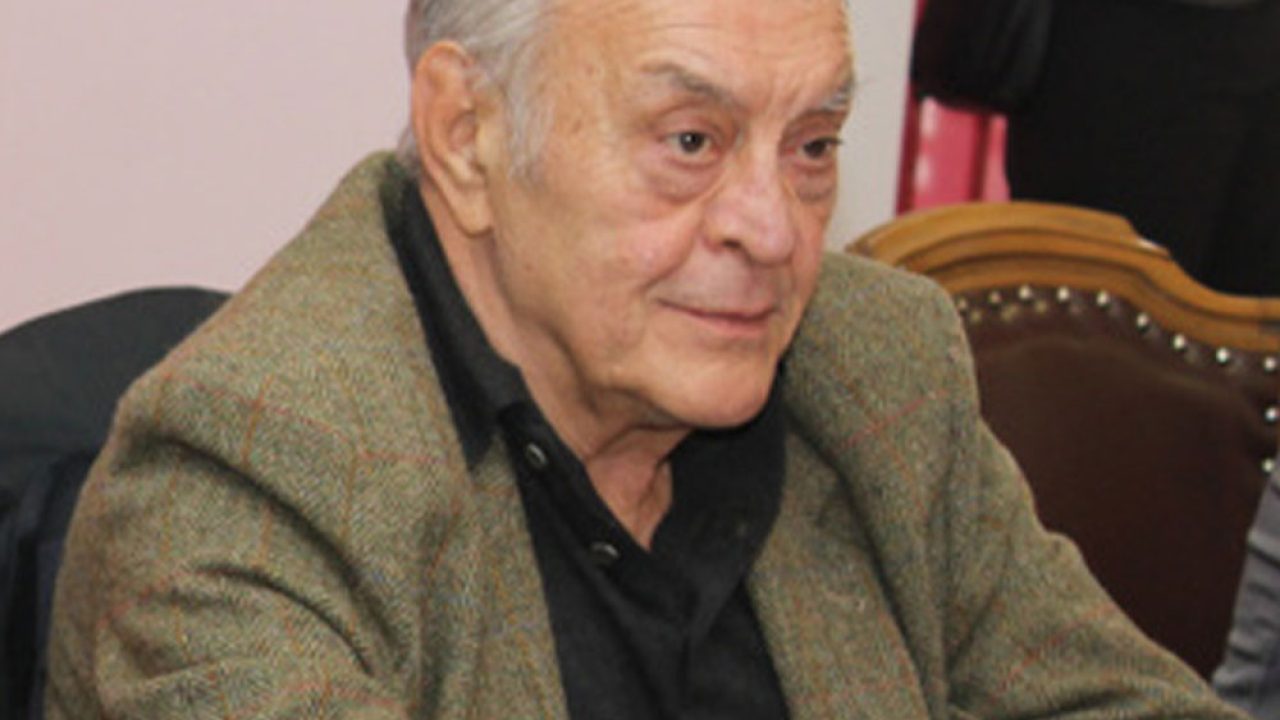
member of the commission
Giuseppe Zaccaria
Italy
Giuseppe Zaccaria was a professional journalist from 1975. He worked for Il Giornale (1976–1978), Il Messaggero (1979–1980), and La Stampa (1981–2009). From 2012 to 2017, he was publisher and editor of the Ital Inter Media news agency in Belgrade. As a foreign correspondent for La Stampa, he covered major events in Europe and the Middle East for more than twenty years. As a war correspondent, he covered the First and Second Gulf Wars, the Afghanistan crisis, the 2006 Israel–Lebanon war, and conflicts throughout the Balkans and former Yugoslavia. He interviewed numerous presidents and world leaders, including Muammar Gaddafi and Nelson Mandela, as well as leading political figures in the Balkans, including Slobodan Milošević. He covered the Yugoslav crisis in Croatia, Serbia, Bosnia and Herzegovina, Kosovo and Metohija, as well as the NATO campaign in 1999. He authored several books, including Noi, Criminali di guerra (We, the War Criminals), a book about war crimes in Bosnia and Herzegovina, for which he received the Hemingway Prize. He died in April 2020 at the age of 69.
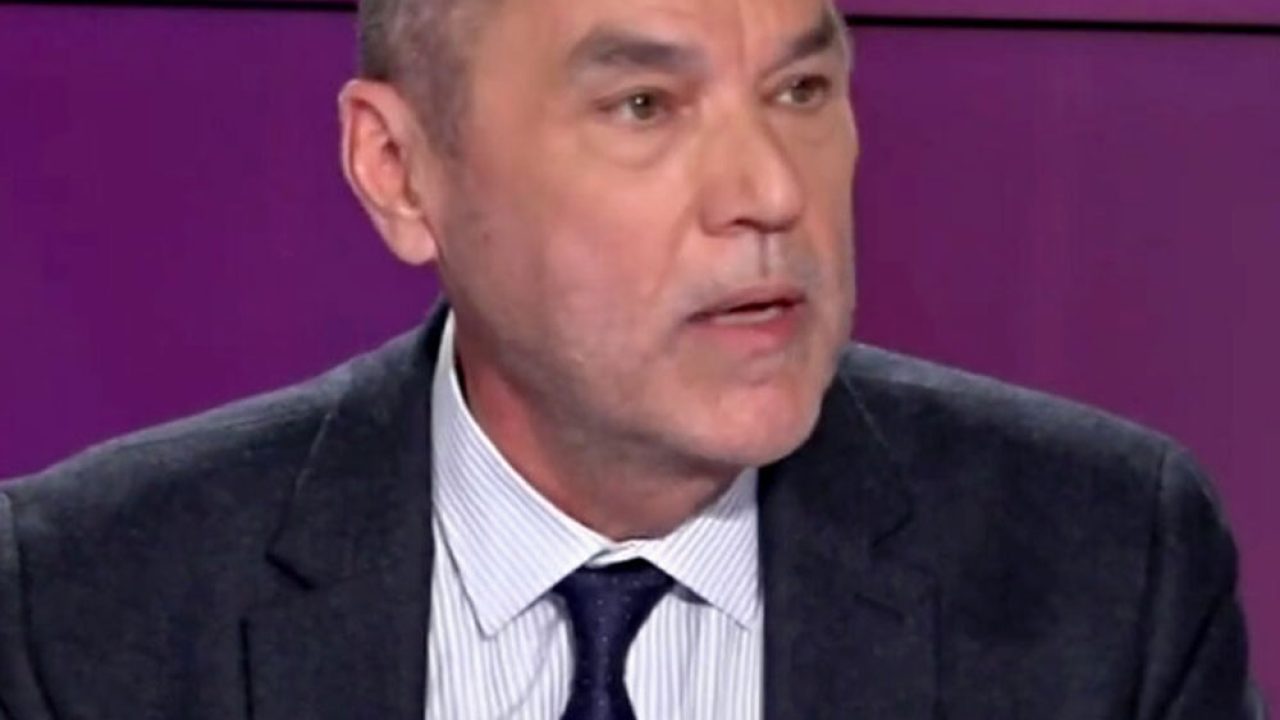
member of the commission
Patrick Barriot
France
Patrick Barriot, MD, is a specialist in anesthesiology, intensive care, and disaster medicine. He completed the international training course of the United Nations Disaster Assessment and Coordination (UNDAC) Team. He served in the French Army, where he was assigned to the emergency medical service of the Paris Fire Brigade, the 11th Paratrooper Division, the Civil Security Intervention Unit No. 1, and the Forward Surgical Unit No. 7 during the war in former Yugoslavia. He later became Chief Medical Officer of Civil Security Intervention Units and medical advisor to the prefect responsible for Civil Security. He retired from the army with the rank of Colonel. Afterwards, he worked as a hospital practitioner in civilian hospitals specializing in surgical intensive care. He participated in numerous humanitarian and relief operations during armed conflicts, including wars in former Yugoslavia, Iraqi Kurdistan, and Congo-Brazzaville, as well as during natural disasters such as earthquakes and epidemics. In July 1990, during the uprising in Tirana, Albania, he was the only foreign doctor providing medical care to thousands of Albanians who had taken refuge in foreign embassies. He is the author of numerous medical and scientific publications in international peer-reviewed journals and books on emergency medicine. He is currently Medical Director of the European Institute of Health Training, Director of Medical Operations of the RAPID consortium responsible for expatriate safety in high-risk areas, and lecturer at the Faculty of Medicine in Montpellier and Mohammed VI University of Health Sciences in Casablanca.